


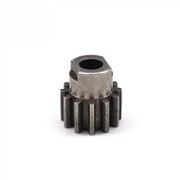
Hex ligzda PM saķepināts daļa
Formēšana is the process of likšana the vienmērīgi sajaukts maisījums iekšā a die un presēšana it into a parisons ar a noteikta forma, izmērs un blīvums. Parasti lietotas metodes formēšanai ietver telpa temperatūra prese formēšana un sildīšana prese formēšana. Tianshi pulveris metalurģija smērvielas var efektīvi samazināt iekšējais un ārējais berze, samazināt zudums no presēšana spiediens, palielinājums blīvums of compact, and laikā demoulding process, can reduce the demoulding force and prolong the service life of the mold, so that the parts have better surface finish finish .
Produkts Ievads
|
Hex ligzda PM saķepinātais daļa |
||||||
|
Vienumu |
Materiāls |
Ražošana Process |
Saķepināšana Temperatūra |
Pelējums |
Paraža |
|
|
Hex ligzda |
440c |
Metāls iesmidzināšana formēšana |
1550 grāds |
Uz būt pielāgots |
Jā |
|
|
Ķīmiskais sastāvs |
C :0.95-1.20 Si: Mazāk nekā vai vienāds līdz 1.00 Mn: Mazāk nekā vai vienāds līdz 1.00 S : Mazāk nekā vai vienād ar 0.030 P : Less than or equal to 0.035 Cr:16.00-18.00 Ni:allowed to satur Mazāk nekā vai vienād ar 0.60 |
|||||
|
Pieejami Materiāli |
Zems ogleklis nerūsējošais tērauds, titāns sakausējums (Ti, TC4), varš sakausējums, volframs sakausējums, ciets sakausējums, augsta temperatūra sakausējums (718, 713) |
|||||
Produkts priekšrocības
|
Gludumu |
Izmēri precizitāte |
Izskats ārstēšana |
Atbilstošs svars |
|
|
Nelīdzenums 1-5μm |
(±{{{0}}.1 procenti -±0.5 procenti ) |
92-95 procenti |
spogulis atspulgs
|
0.03g-400g) |
|
Mehāniska Īpašības |
Cietība: atkausēts, Mazāk nekā vai vienāds līdz 269HB; Dzēšana un rūdīšana, Lielāks nekā vai vienāds līdz 58HRC Mehāniska uzvedība: Internal stress (250 N/mm2) Stiepe izturība (560 N/mm2) EL(18 procenti ) HB(250) |
|||
|
1) Atkausēšana, lēna dzesēšana at 800-920 grāds ; 2) Rūdīšana, eļļa dzesēšana at 1010-1070 grāds ; 3) Rūdīšana, ātra dzesēšana at 100-180 grāds . [1] 4. Priekšsildīšana temperatūra, 649 grāds -816 grāds . |
||||
Process plūsma
Kas ir ražošana process of pulveris metalurģija? Pulveris metalurģija tehnoloģija ir attīstījies strauji, un ar nepārtraukts rašanās of jauns ražošana procesi un tehniskais aprīkojums, it ir kļuvis svarīgs daļa of moderna rūpniecība. Ražošana process of pulveris metalurģija var būt sadalīts piecos posmos: pulveris izgatavošana→mixing→forming→sintering→sintering→post-treatment.
1. Milling:
Pulverizācija ir process of izgatavošana izejvielas materiāli iekšā pulveris. Kopējā pulverizācija metodes ietver oksīds reducēšana metode, atomizācija metode, elektrolīze metode, rotējošais elektrods metode, un mehāniskā sasmalcināšana metode.
2. Maisījums:
Sajaukšana is the process of mixing dažādi nepieciešami pulveri in a certain proportion and homogenizēšana them to make powder blanks. The mixing method is divided into three types: dry type, semi-dry type and wet type. During the powder pre-mixing process, due to different specific gravity of the particles of different components, segregācija notiks notiks laikā laikā pulveris sajaukšana process. Tianshi pulveris metalurģija saistviela var efektīvi uzlabot the segregācija. Sakarā ar to dažādi daļiņas izmēri un nevienmērīgs sadalījums in the pulveris, the porainība būs viegli palielināt. , saistviela var izgatavot the daļiņas izplatīt saprātīgi, aizpildīt the pores, un uzlabot the compact strength.
3. Formēšana:
Formēšana is the process of likšana the vienmērīgi sajaukts maisījums iekšā a die un presēšana it into a parisons ar a noteikta forma, izmērs un blīvums. Parasti lietotas metodes formēšanai ietver telpa temperatūra prese formēšana un sildīšana prese formēšana. Tianshi pulveris metalurģija smērvielas var efektīvi samazināt iekšējais un ārējais berze, samazināt zudums no presēšana spiediens, palielinājums blīvums of compact, and laikā demoulding process, can reduce the demoulding force and prolong the service life of the mold, so that the parts have better surface finish finish .
4. Saķepināšana:
Sķepināšana is process of difūzija, metināšana un pārkristalizācija starp the parisons daļiņas caur saķepināšana, tā ka tas pulveris daļiņas ir stingri metināti kopā, the poras are samazināts, the blīvums is palielināts, un finally a "crystal kombinācija" is iegūts, tādējādi Process of iegūšana noteikti fiziski un mehāniski īpašības nepieciešami.

5. Post-processing: Powder metallurgy products can be used directly after sintering; but when the performance requirements of the product are high, post-processing is often required. The commonly used post-processing methods are as follows:
1. Formēšana: Ieliec the sintered parts into a shaping mold similar to the die structure, and perform another press press to improve the dimensional accuracy of the parts and reduce the surface roughness of the parts, kas ir lietots lai novērst the skering process. The sever deformācija cēlonis by it.
2. Oil immersion: the process of putting the parts into hot oil at 100~200 degree or making the oil penetrate into the pores of the powder parts under vacuum. Parts soaked in oil can improve wear resistance and prevent parts from rusting.
3. Tvaiks apstrāde: Dzelzs bāzes daļas ir apstrādāts in 500~600 grāds ūdens tvaiks to forma a ciets un blīvs oksīds plēve on iekšējā un ārējā virsmas of the daļas, tādējādi uzlabojot nodilums pretestība of the daļas daļas un novēršot detaļas no rūsēšanas .
4. Vulkanizācija ārstēšana: vieta the daļas in a izkausēts sērs tvertne at 120 grādi , ņem tos ārā pēc vairāk nekā desmit minūtes, un uzsildīt līdz 720 grādiem zem aizsardzība ūdeņradis to make poras on virsma of the daļas forma sulfīdi. Vulkanizācija apstrāde var var ievērojami uzlabot berze samazināšana un apstrāde veiktspēja no daļām.
Metāls iesmidzināšana formēšana process

Noteikšana Sistēmas




Nosūtīt pieprasījumu
